AIBC

Architectural Institute of British Columbia

  • AIBCRegister
  • RegistrantLogin
  • Contact Us
Menu
  • About
    • Organization
    • Regulatory Authority
    • Governance
    • Professional Governance Act Transition
    • Committees & Advisory Groups
    • Annual General Meeting
    • Opportunities
    • Staff
    • Contact Us
    • Close
  • Registration
    • Become an Architect AIBC
    • Architects
    • Intern Architects
    • Architectural Technologists
    • Retired Architects
    • Firm Registrants
    • Temporary Licensee (Architect)
    • Honorary Registrants (Legacy) – Formerly “Honorary Members”
    • Good Standing
    • Professional Mobility
    • Annual Renewal
    • Close
  • Programs & Services
    • Practice Advice
    • RFPs & Competitions
    • Contracts
    • Certified Professional (CP) Program
    • Post-Disaster Building Assessment
    • AIBC Classifieds
    • Municipal Matrix
    • Close
  • Professional Development
    • Continuing Education System (CES)
    • AIBC Courses & Professional Development
    • Recognized Educational Provider Program
    • Close
  • Protecting the Public
    • AIBC’s Regulatory Role
    • Does Your Project Need An Architect?
    • Complaints
    • Professional Conduct
    • Illegal Practice
    • Close
  • News & Events
    • News
    • Calendar
    • Signature Events & Programs
    • Architectural Walking Tours
    • Media
    • AIBC 100
    • Close
  • Resources
    • AIBC Resources
    • Industry Resources
    • Affiliates
    • AIBC Register
    • Close
Home / News / Media Scan / Remembering When Architecture Predicted the Future

Remembering When Architecture Predicted the Future

February 10, 2016

by Lev Bratishenko
Maclean’s, Jan 30, 2016
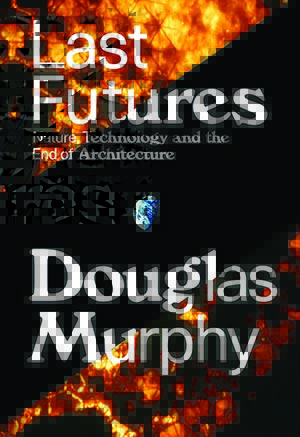
Last Futures; Nature, Technology and the End of Architecture by Douglas Murphy. (no credit)

“Most of us now understand that architecture is the least suitable instrument with which to achieve social justice,” Museum of Modern Art curator Arthur Drexler said in 1975. That quote could be the antithesis of this book, which looks at the 1960s and 1970s as a period when governments were brave enough to experiment and architecture could claim to improve social and spatial organization.

A few traces of this hopeful time appear today, rather depressingly: tensile structures drape like high-tech skins over expensive corporate buildings while the enormous free spaces imagined by Buckminster Fuller and Konrad Wachsmann are best realized in highly reconfigurable supermarkets and airports. Instead of a three-day work week, space colonies, and green tech, we got Starbucks at gate C43. Read more…

Filed Under: Media Scan

« Previous Post
Next Post »
  • News & Events
    • News
      • AIBC Happenings
      • Industry News
      • eNewsletter Archives
    • Calendar
    • Signature Events & Programs
      • Induction & Retirement Ceremony
      • Conference and PD Day
      • Volunteer Recognition Program
        • Recognition for Lifetime Volunteer Achievement
        • Recognition of Exceptional Volunteer Service
        • Emerging Volunteer Recognition 
      • Scholarship & Bursary Program
      • Architectural Walking Tours
      • Architecture Centre Gallery
        • Current Exhibit
        • Past Exhibits
      • Architectural Awards
        • architectureBC
    • Media
    • AIBC 100

Main Pages

  • Home
  • About
  • Registration
  • Programs & Services
  • Professional Development
  • Protecting the Public
  • News & Events
  • Resources

Contact Us

Architectural Institute of B.C.
100 – 440 Cambie Street
Vancouver, British Columbia
Canada V6B 2N5
Tel: 604.683.8588
Email: aibc@aibc.ca

Follow us

Quick Links

  • Sitemap
  • Privacy Policy
  • Terms and Conditions
  • Contact Us

Copyright © 2026 AIBC