AIBC

Architectural Institute of British Columbia

  • AIBCRegister
  • RegistrantLogin
  • Contact Us
Menu
  • About
    • Organization
    • Regulatory Authority
    • Governance
    • Professional Governance Act Transition
    • Committees & Advisory Groups
    • Annual General Meeting
    • Opportunities
    • Staff
    • Contact Us
    • Close
  • Registration
    • Become an Architect AIBC
    • Architects
    • Intern Architects
    • Architectural Technologists
    • Retired Architects
    • Firm Registrants
    • Temporary Licensee (Architect)
    • Honorary Registrants (Legacy) – Formerly “Honorary Members”
    • Good Standing
    • Professional Mobility
    • Annual Renewal
    • Close
  • Programs & Services
    • Practice Advice
    • RFPs & Competitions
    • Contracts
    • Certified Professional (CP) Program
    • Post-Disaster Building Assessment
    • AIBC Classifieds
    • Municipal Matrix
    • Close
  • Professional Development
    • Continuing Education System (CES)
    • AIBC Courses & Professional Development
    • Recognized Educational Provider Program
    • Close
  • Protecting the Public
    • AIBC’s Regulatory Role
    • Does Your Project Need an Architect?
    • Complaints
    • Professional Conduct
    • Illegal Practice
    • Close
  • News & Events
    • News
    • Calendar
    • Signature Events & Programs
    • Architectural Walking Tours
    • Media
    • AIBC 100
    • Close
  • Resources
    • AIBC Resources
    • Industry Resources
    • Affiliates
    • AIBC Register
    • Close
Home / News / Media Scan / What Should be Done With the Architecture of America’s Racist Past?

What Should be Done With the Architecture of America’s Racist Past?

February 10, 2016

By Associated Press
Global News, Feb 9, 2016
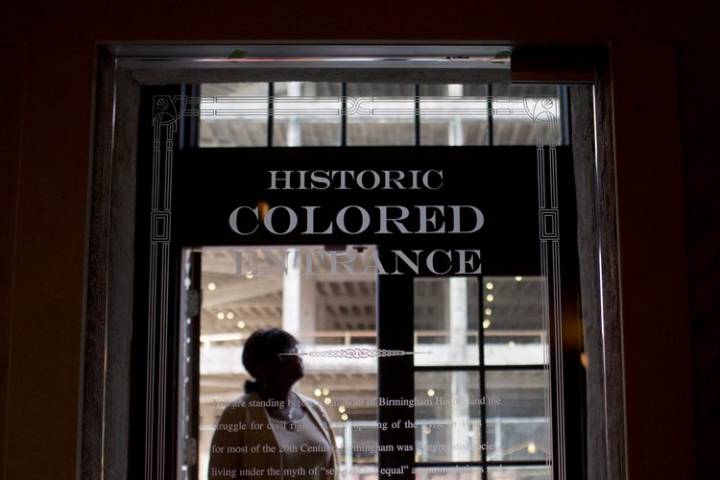
Image: A woman stands in the old doorway of the Lyric Theatre, in Birmingham, Ala. Courtesy of Global News and AP, photo by Brynn Anderson(Image: A woman stands in the old doorway of the Lyric Theatre, in Birmingham, Ala. Courtesy of Global News and AP, photo by Brynn Anderson)

Growing up in the 1950s, William Bell had to enter Birmingham’s segregated Lyric Theatre though a side entrance, marked “COLORED,” that was walled-off from the elegant lobby. He climbed a dimly lit stairwell to watch movies from the steep balcony where black patrons had to sit for generations.

Now the city’s mayor, he recalls the Lyric’s beauty, but also the way it isolated black people.

The inequity built into The Lyric Theatre’s very architecture is a painful reminder of the city’s ugly past as one of the most segregated places in America. But it also serves as a living history lesson, a symbol of how the Deep South has changed since the courts ended discriminatory Jim Crow laws. Read more…

Filed Under: Media Scan

« Previous Post
Next Post »
  • News & Events
    • News
      • AIBC Happenings
      • Industry News
      • eNewsletter Archives
    • Calendar
    • Signature Events & Programs
      • Induction & Retirement Ceremony
      • Conference and PD Day
      • Volunteer Recognition Program
        • Recognition for Lifetime Volunteer Achievement
        • Recognition of Exceptional Volunteer Service
        • Emerging Volunteer Recognition 
      • Scholarship & Bursary Program
      • Architectural Walking Tours
      • Architecture Centre Gallery
        • Current Exhibit
        • Past Exhibits
      • Architectural Awards
        • architectureBC
    • Media
    • AIBC 100

Main Pages

  • Home
  • About
  • Registration
  • Programs & Services
  • Professional Development
  • Protecting the Public
  • News & Events
  • Resources

Contact Us

Architectural Institute of B.C.
100 – 440 Cambie Street
Vancouver, British Columbia
Canada V6B 2N5
Tel: 604.683.8588
Email: aibc@aibc.ca

Follow us

Quick Links

  • Sitemap
  • Privacy Policy
  • Terms and Conditions
  • Contact Us

Copyright © 2026 AIBC